Why Is Early Detection Important?
Early detection of mold is crucial to prevent extensive damage to your home and health. Mold can grow unnoticed in hidden areas, such as behind drywall, under carpeting, or within HVAC systems, leading to significant structural damage that can be costly to repair. Health-wise, mold exposure can cause a range of issues, from mild allergic reactions like sneezing and skin rashes to more severe respiratory problems, especially in individuals with pre-existing conditions like asthma. In Tenafly, NJ, where humidity levels can be conducive to mold growth, homeowners stand to benefit significantly by identifying signs early. Not only does early detection help in reducing remediation costs, but it also safeguards the property and its inhabitants' well-being. Regular checks and maintenance, especially in areas with past water damage or high humidity, are key strategies for early mold detection. Proactively addressing leaks, ensuring proper ventilation, and using dehumidifiers in damp areas can also help mitigate mold risks.
What Are the Common Signs of Mold?
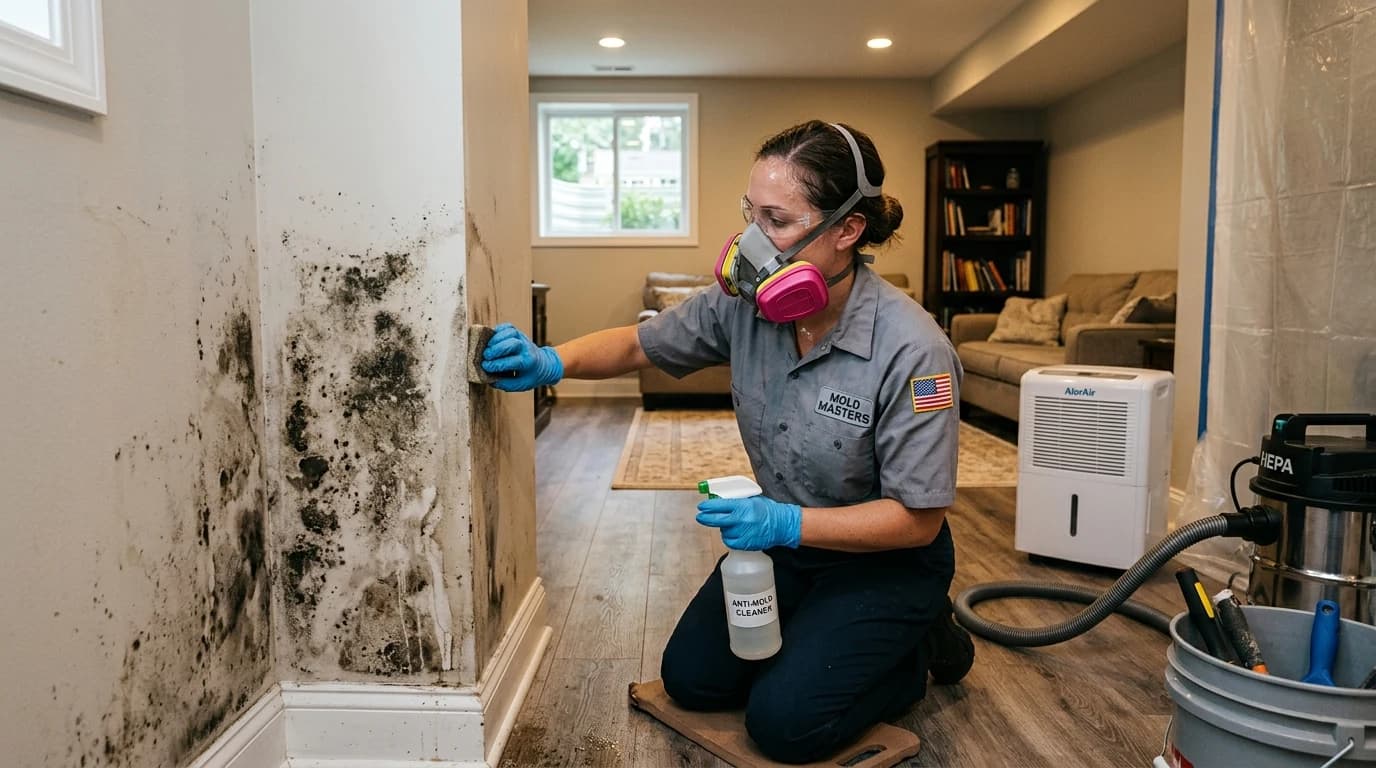
Mold often makes its presence known through various signs that homeowners should be vigilant about. Musty odors are a common indicator, often described as a damp, earthy smell, which can permeate spaces like basements or attics. Visible signs include discoloration on walls, ceilings, or floors, often in the form of black, green, or even white patches. Water stains or peeling paint and wallpaper can also suggest mold growth beneath the surface. Mold thrives in moisture-rich environments, so areas like bathrooms, kitchens, and laundry rooms are more susceptible. If you notice condensation on windows or walls, it could be a sign of inadequate ventilation, which can lead to mold growth. In Tenafly, where seasonal changes can affect indoor humidity, it's essential to monitor these areas closely. If you detect any of these signs, it's advisable to contact a professional for a thorough assessment and remediation. Addressing mold issues promptly helps maintain a healthy living environment and prevents further property damage. Learn more about our services.
How to Conduct a Visual Inspection?
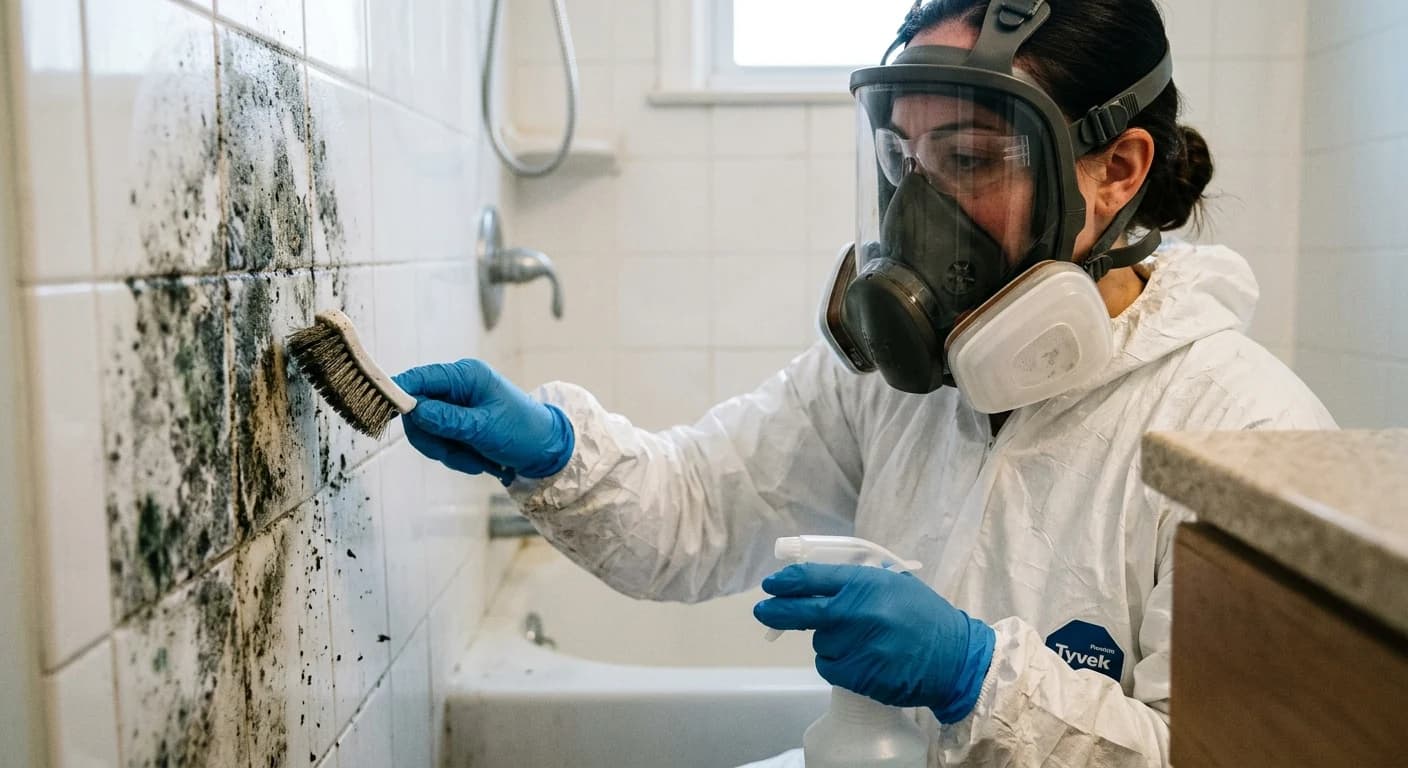
Conducting a visual inspection is a straightforward yet effective way to catch mold early. Start by equipping yourself with a flashlight and a notepad to document any findings. Begin in the basement, as this area is prone to leaks and dampness. Check for any water stains or discoloration on the walls and floors. Move to the bathrooms, inspecting under sinks, around the edges of bathtubs, and in tile grout, where mold commonly grows. In the kitchen, look behind appliances like refrigerators and dishwashers, where leaks might go unnoticed. Pay attention to window sills and frames for condensation or mold growth. Don't forget to inspect your attic for roof leaks or poor ventilation signs, which can be a breeding ground for mold. If you have an HVAC system, check the vents and filters for any signs of mold, as these can spread spores throughout your home. Document any suspicious findings, such as musty odors or visible mold, and take photographs if possible. If you suspect a mold problem but can't locate it visually, consider using a home mold test kit or hiring a professional inspector to confirm and address the issue. Regular inspections, especially after heavy rains or snowmelt, can help catch problems before they escalate.
How to Prevent Mold Growth?
Preventing mold growth involves a combination of moisture control, proper ventilation, and regular maintenance. Start by addressing any leaks or water damage promptly, as mold thrives in damp environments. Ensure that your gutters and downspouts are functioning correctly to direct water away from your home’s foundation. Inside your home, use exhaust fans in bathrooms and kitchens to reduce humidity levels, and consider installing a dehumidifier in particularly damp areas like basements. Regularly clean and maintain your HVAC system to prevent mold spores from circulating. It's also crucial to manage indoor humidity; aim to keep it below 60% by using air conditioners or dehumidifiers. In areas prone to condensation, such as windows or cold surfaces, improve insulation to minimize moisture buildup. Regularly check and clean areas that are susceptible to mold, including shower curtains, refrigerator drip pans, and air conditioning drip pans. In Tenafly, seasonal changes can impact indoor humidity, so adjusting your strategies accordingly can be beneficial. By taking these proactive steps, you can significantly reduce the risk of mold growth, ensuring a healthier living environment for you and your family.
When to Call a Professional?
Knowing when to call a professional can save you time and prevent further damage to your property. If you discover a mold infestation covering more than 10 square feet, it's advisable to seek professional help. Large mold problems can be challenging to handle without the right equipment and expertise. Additionally, if you or anyone in your household experiences persistent health issues like coughing, sneezing, or respiratory problems, it might indicate a mold problem that requires professional assessment. Professionals can conduct comprehensive inspections using specialized tools to detect hidden mold, often in places you might not suspect, such as inside walls or under flooring. They also have access to industrial-grade cleaning solutions and equipment that can effectively remove mold and prevent future growth. If you've attempted DIY solutions but the mold keeps returning, it’s a sign that the root cause hasn't been addressed. In such cases, professionals can identify and rectify underlying issues like leaks or poor ventilation. By opting for professional services, you can ensure a thorough cleanup, safeguarding both your property and health.
Understanding Different Types of Mold
Mold comes in various forms, and understanding the different types can help you identify and address issues more effectively. The most common household molds include Cladosporium, Penicillium, Aspergillus, and Stachybotrys chartarum, often known as black mold. Cladosporium typically appears in cool or warm areas and is often found on wood surfaces and fabrics. Penicillium is known for its blue or green appearance and thrives in water-damaged environments, often found on wallpaper, carpets, and ducting. Aspergillus is a common indoor mold that can appear in various colors and is often found in dust, food, and building materials. Stachybotrys chartarum, or black mold, is a more dangerous type that thrives in areas with high humidity and moisture, such as basements and bathrooms. It can produce mycotoxins, which pose serious health risks, including respiratory issues and skin irritation. Recognizing these molds can guide you in taking appropriate action, whether it's a DIY cleanup for smaller, less toxic molds or calling in professionals for more hazardous types. Understanding the specific mold type can also help in choosing the right cleaning agents and methods to effectively mitigate the problem.
DIY Mold Testing: Is It Worth It?
DIY mold testing kits are widely available and can be a cost-effective way to assess mold presence in your home. These kits typically include petri dishes and swabs to collect samples from surfaces or air. Once collected, the samples are sent to a lab for analysis, providing results that identify the type and concentration of mold present. While DIY kits can give a basic understanding of indoor mold levels, they have limitations. They may not detect hidden mold behind walls or under floors, which can still pose significant health risks. Additionally, interpreting results can be challenging without professional expertise, potentially leading to incorrect conclusions about mold severity. In Tenafly, where humidity can fluctuate, these kits can offer a preliminary assessment, but they should not replace a thorough professional inspection if you suspect a serious problem. For peace of mind and comprehensive analysis, especially if health symptoms are present or if the mold covers a large area, consulting with a mold remediation expert is advisable. Professionals can provide a more accurate diagnosis and recommend effective treatment options to ensure your home remains safe and healthy.